
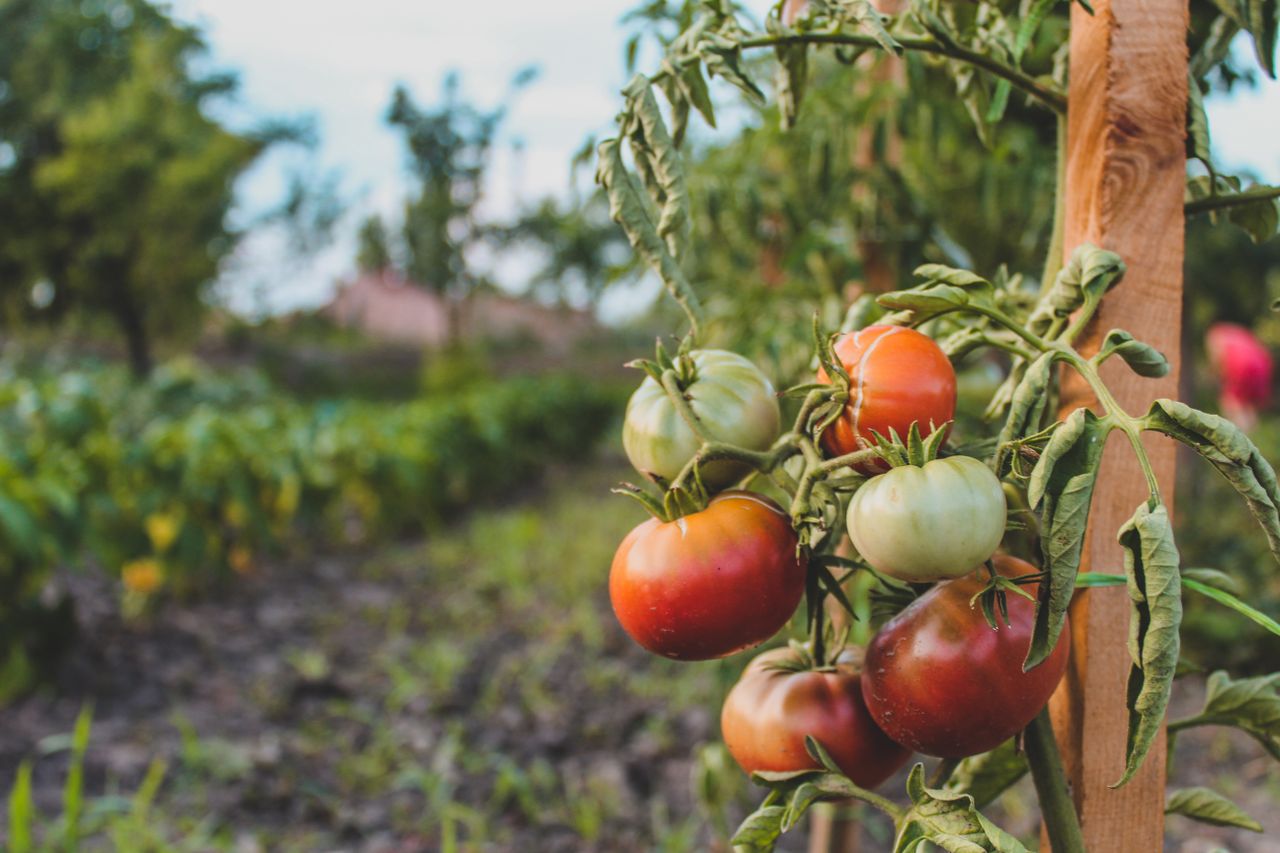
The tomatoes split before they ripen. According to the books, it’s blossom-end rot, which means there isn’t enough calcium. The crack starts at the bottom and moves up, following the weakest part of the fruit.
I water the plants and feed the soil, but still, half the crop rots on the vine. Every morning, I cut off the bad ones with a pocketknife and drop them into a bucket that already smells like it’s starting to ferment.
A garden is the place where we learn about the world. A small garden bed, six by four feet and built from leftover boards, taught me most of what I know. It gives back just as much loss as it does food.
I used to think hardship was just something to fix. Pull the weeds, adjust the soil, feed it, and wait. Order new seeds for next spring and hope it works out.
I spent three seasons like that, treating the garden as a puzzle with an answer I could find online. Most years, the aphids came back. So did the squash borers. A late frost killed the peppers two years in a row.
I had missed the point.
The garden wasn’t broken. It was just doing what gardens do. It gives both life and loss from the same dirt, sometimes in the same week, sometimes even on the same plant.
One July morning, I found a hornworm as long as my finger, chewing a tomato plant down to its ribs. Its body was covered with the white cocoons of a parasitic wasp, already eating it from the inside. I stood there with the knife in my hand but didn’t use it.
The wasp had already done its job. The caterpillar would die in the sun over the next few days, still eating.
I left it there.
Something in me stopped tensing up. For years, I had flinched at the parts of the world that eat, rot, and end, always ready to step in or say sorry for it.
That morning, I put the knife down and watched a small, harsh moment play out in the open. What I felt afterward was almost peace, if peace means not needing everything to heal before I can rest.
Here’s what I think. The world gives both loss and abundance from the same roots, often at the same time, without asking for permission.
A late frost kills the peppers but makes better compost for next year’s beans. A wasp kills a caterpillar, and even as it’s dying, the caterpillar keeps eating the leaves that might have blocked sunlight from the seedlings below.
Ruin has its role. It just doesn’t call itself work, maybe because we decided long ago that only growth counts.
Learning to accept this took practice. Some mornings, it still does. This kind of love can hurt. It doesn’t turn away from what rots. It stays, keeps kneeling, and keeps watching until everything is finished.
Some mornings, the blight comes back, and I laugh anyway, because the other option is expecting the world to do what I want. It never has. I doubt it ever will.
An older lady kept a garden through two divorces and a house fire. Near the end, I asked her how she managed forty years of it through the frost, the blight, the seasons that gave almost nothing back.
She said the ground doesn’t remember what it owes you. She said it plainly, like a fact spoken into the air, landing wherever it landed.
I return to that sentence more than any other I’ve heard. It broke me of the idea that love and fairness always arrive together. Most of the time, they don’t.
The world gives you a split tomato and a handful of fruit good enough to eat right there in the row, from the same vine, in the same bucket, on the same afternoon, and it doesn’t apologize for either one.
Most mornings now, I kneel down. Some plants are dying. Some are not. I don’t sort them anymore before I decide to stay.